|
EK-3C

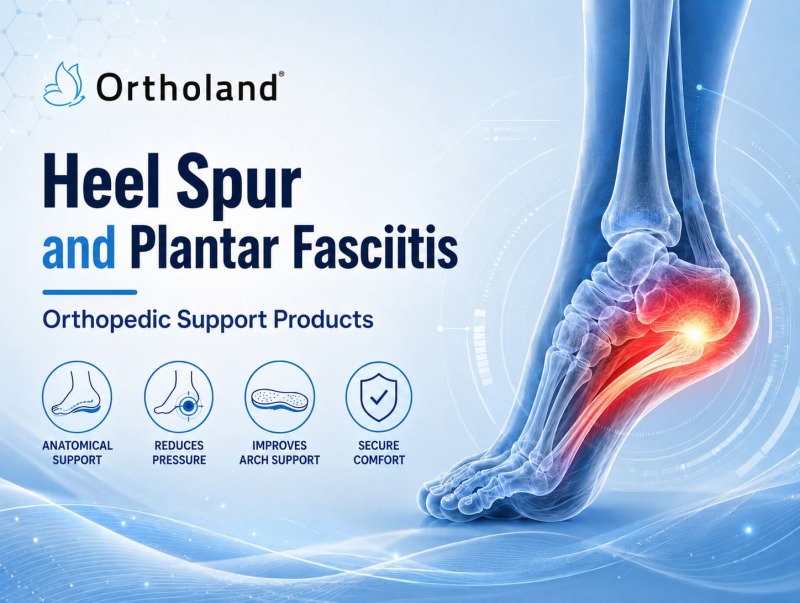
Heel pain is one of the most common foot problems in daily life. A sharp, burning, or stabbing pain felt especially during the first steps in the morning is often associated with plantar fasciitis and heel spur.
Plantar fasciitis is a condition that occurs when the plantar fascia, a strong band of tissue extending from the heel to the toes along the bottom of the foot, becomes strained, irritated, or inflamed. A heel spur, on the other hand, is a bony growth that may develop on the heel bone. Not every heel spur causes pain; in many cases, heel pain is more closely related to irritation and strain of the plantar fascia.
Heel spur and plantar fasciitis may be more common in people who stand for long periods, work on hard surfaces, wear unsuitable shoes, have excess body weight, or have foot arch problems.
The plantar fascia is a strong connective tissue located on the sole of the foot. It starts from the heel bone and extends toward the toes, helping support the arch of the foot.
The main functions of the plantar fascia include:
When this structure is overstressed or exposed to repetitive strain, pain and tenderness may develop around the heel area.
A heel spur is a bony projection that may form on the underside of the heel bone. It can develop as a result of long-term strain and pulling forces on the plantar fascia.
However, a heel spur does not always cause pain. Some people may have a heel spur visible on an X-ray without any significant symptoms. In others, the pain may be caused more by irritation of the plantar fascia than by the heel spur itself.
For this reason, people with heel pain should avoid self-diagnosis and seek professional evaluation when symptoms persist.
Heel spur and plantar fasciitis are usually related to repetitive load and stress on the sole of the foot. Daily habits, shoe selection, working conditions, and foot structure may all play a role.
Common causes include:
Standing for long periods in unsupportive shoes may place extra stress on the plantar fascia and increase discomfort.
Symptoms are usually felt under the heel or along the sole of the foot. Pain is often more noticeable during the first steps in the morning.
Common symptoms include:
If the pain continues for a long time, significantly affects walking, or is accompanied by swelling and redness around the heel, professional medical evaluation is recommended.
Heel pain can directly affect walking style and daily mobility. Due to pain, a person may avoid placing full weight on the affected foot. Over time, this may also cause additional strain on the knee, hip, or lower back.
People with heel spur or plantar fasciitis may have difficulty with:
For this reason, the goal is not only to reduce pain, but also to support the sole of the foot properly and improve daily comfort.
Reducing factors that increase heel pain and supporting the sole of the foot properly are important. Some daily adjustments may help improve comfort.
Important points to consider include:
These recommendations are for general information. If symptoms continue, evaluation by an orthopedic specialist or physiotherapist is important.
Supportive products used for heel spur and plantar fasciitis may help distribute pressure more evenly, reduce stress on the heel area, and improve comfort during daily movement.
These products do not replace medical treatment; however, choosing the right product may provide significant support in daily life.
Silicone heel cups are designed to help reduce pressure on the heel area. Their soft and flexible structure may support shock absorption during walking.
They may provide comfort inside daily shoes for users with heel spur or plantar fasciitis complaints.
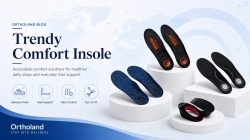
Insoles designed for heel spur support may provide targeted support to the heel area. Some models may include special areas that help reduce pressure at the center of the heel.
These products may be preferred to support a more balanced step and reduce pressure around the heel.
Orthopedic insoles may help support the foot arch and distribute body weight more evenly across the foot. They may be especially useful for users with flat feet, high arches, or incorrect foot posture.
Since arch support is important in plantar fasciitis, choosing a suitable insole may help improve daily comfort.
Silicone insoles may provide general comfort for the sole of the foot and support shock absorption during walking. They can be a practical solution inside daily shoes, especially for people who stand for long periods.
They may also be considered for users who experience general foot sole sensitivity in addition to heel pain.
In some plantar fasciitis cases, the sole of the foot and Achilles region may need to be supported in a specific position during the night. Night splints are among the supportive products used for this purpose.
These products should be used with professional recommendation, as they may not be suitable for every user.
Cold application may provide comfort around the heel and sole area in some periods. Hot-cold gel products can be used as supportive care in daily life.
Application duration and method should follow the recommendations of a healthcare professional.
Ortholand offers different product options for foot, heel, and sole support needs. For users with heel spur or plantar fasciitis complaints, product selection may vary depending on the location of pain, foot structure, duration of use, daily activity level, and professional recommendation.
Ortholand product groups that may be considered for heel spur and plantar fasciitis include:
Choosing the right product may help support the sole of the foot and provide a more comfortable feeling during daily movement.
Heel spur and plantar fasciitis are common foot problems that may cause heel pain, stabbing sensation in the sole, and discomfort that is often more noticeable during the first steps in the morning or after standing for long periods.
Professional evaluation, suitable shoe selection, foot stretching exercises, daily activity adjustments, and supportive products should be considered together.
Ortholand foot and heel support products are designed to help users with heel spur and plantar fasciitis move more comfortably, more evenly, and more safely in daily life.