|
EK-3C

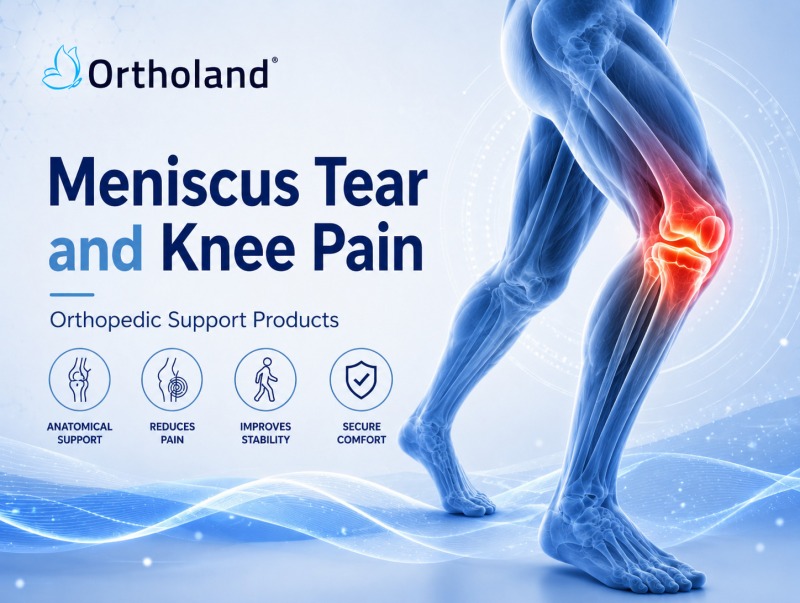
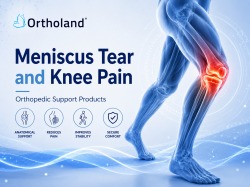
A meniscus tear is one of the most commonly heard knee problems in daily life. The menisci are C-shaped, cartilage-like structures located between the thigh bone and the shin bone in the knee joint. These structures help the knee move more smoothly, distribute body weight more evenly, and protect the joint during movement.
A meniscus tear may occur due to sudden twisting, knee sprains, excessive load on the knee, or uncontrolled movements during sports. In addition, as people age, the meniscus tissue may gradually wear down, and even simple daily movements can lead to meniscus injuries.
Meniscus tears may affect daily life with symptoms such as pain, swelling, locking, catching sensation, limited movement, and a feeling of instability in the knee. Therefore, symptoms should be evaluated carefully, and medical advice should be sought when needed.
The meniscus is an important structure inside the knee joint that supports the joint during weight-bearing activities. Each knee has two menisci: the medial meniscus and the lateral meniscus.
The main functions of the meniscus include:
For this reason, a tear in the meniscus can affect knee movement, comfort, and stability during daily activities.
Meniscus tears can occur for different reasons. In young and active individuals, they are often associated with sudden trauma or sports injuries. In older adults, they may occur due to gradual wear and degeneration of the meniscus tissue.
Common causes of meniscus tears include:
A meniscus tear does not always require a major injury. Especially in age-related cases, simple daily movements may trigger symptoms.
Symptoms of a meniscus tear may vary depending on the location and size of the tear, the person’s age, activity level, and overall knee condition. Some people may feel a popping sensation or sudden pain at the time of injury, while others may experience gradually increasing discomfort.
Common symptoms of a meniscus tear include:
If there is severe pain, sudden swelling, locking of the knee, visible deformity, or inability to bear weight, a healthcare professional should be consulted without delay.
Because the meniscus directly affects knee function, a tear may make many daily movements more difficult. Symptoms may increase especially during twisting, bending, squatting, or weight-bearing activities.
People with a meniscus tear may have difficulty with:
For this reason, the main goal is to avoid unnecessary strain on the knee, move in a controlled way, and use supportive products when recommended by a healthcare professional.
If a meniscus tear is suspected, an orthopedic specialist may perform a physical examination. When necessary, imaging methods may also be used. The treatment approach depends on the type, size, and location of the tear, as well as the person’s age, activity level, and whether there are other knee problems.
In some cases, rest, ice application, physical therapy, exercises, and lifestyle adjustments may be sufficient. In other cases, surgical options may be considered.
For this reason, a personalized evaluation is important. Not every meniscus tear is the same, and not every support product is suitable for every user.
People with a meniscus tear should pay attention to protecting the knee joint and avoiding movements that increase discomfort.
Important points to consider include:
Support products may help the knee feel more stable and controlled, but they do not treat a meniscus tear. They should be used for supportive purposes and preferably with professional guidance.
Supportive products used after a meniscus tear are designed to help provide support around the knee, improve comfort during daily activities, and help the user move in a more controlled way.
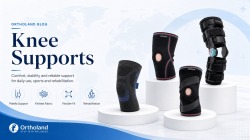
Knee supports wrap around the knee and may provide mild to moderate support. They can help the knee feel more supported during walking, stair use, and light daily activities.
For meniscus tear cases, knee support selection should be based on the user’s symptoms and required level of support.
Patella knee supports are designed to provide additional support around the kneecap. They may be preferred by users who experience sensitivity, discomfort, or pain around the front of the knee during movement.
These products can be useful for daily use when extra support is needed around the kneecap area.
A meniscus tear may sometimes be accompanied by a feeling of instability in the knee. Ligament knee supports are designed to provide additional side support around the knee.
These products may help users feel more controlled during movement, especially when side support is needed.
Hinged knee braces may be considered when stronger support is needed. Their hinged structure helps support the knee joint in a more controlled way.
After a meniscus tear, hinged knee braces may be preferred when stability support is required, under the recommendation of a doctor or physiotherapist.
Knee health is not only related to the knee itself. Foot posture, shoe selection, and arch support can affect the load placed on the knee joint.
For this reason, suitable shoes and orthopedic insoles may help support load distribution and daily comfort after a meniscus tear.
After a meniscus tear, some users may need additional balance or walking support. Especially after surgery or during periods when weight-bearing is difficult, walkers, canes, or crutches may be used with professional guidance.
These products may help reduce the load on the knee and support safer movement.
Ortholand offers different product groups for various knee support needs. For users with a meniscus tear, product selection may vary depending on symptom level, daily activity, age, body weight, mobility needs, and professional recommendation.
Ortholand product groups that may be considered for meniscus tear support include:
Choosing the right product may help the user move more comfortably and in a more controlled way during daily life.
A meniscus tear is a common orthopedic problem that may cause knee pain, swelling, catching, locking, instability, and limited movement. It may occur due to sudden sports injuries or age-related wear over time.
Proper diagnosis, medical follow-up, and a personalized treatment plan are important in meniscus tear cases. In daily life, avoiding excessive strain, moving carefully, and using suitable supportive products when needed may help improve comfort.
Ortholand knee support products are designed to help users with meniscus-related knee discomfort continue their daily movements with greater comfort, control, and confidence.